How to Avoid Algae Overgrowth: Causes and Control Methods
Algae is a natural and even beneficial part of most aquariums… but only in moderation. A thin, green dusting on your glass or a small patch on your decorations is perfectly normal. But when algae spreads across your tank like wildfire, smothers plants, or turns your water cloudy, it becomes frustrating, unattractive, and - if severe - unhealthy for your fish.
Algae overgrowth is almost always a symptom of imbalance rather than an underlying problem. The good news? Once you understand why it happens, controlling it becomes far easier. This guide explains the main causes of algae blooms and provides clear, proven methods to prevent and control algae in a beginner-friendly way.
What Exactly Is Algae?
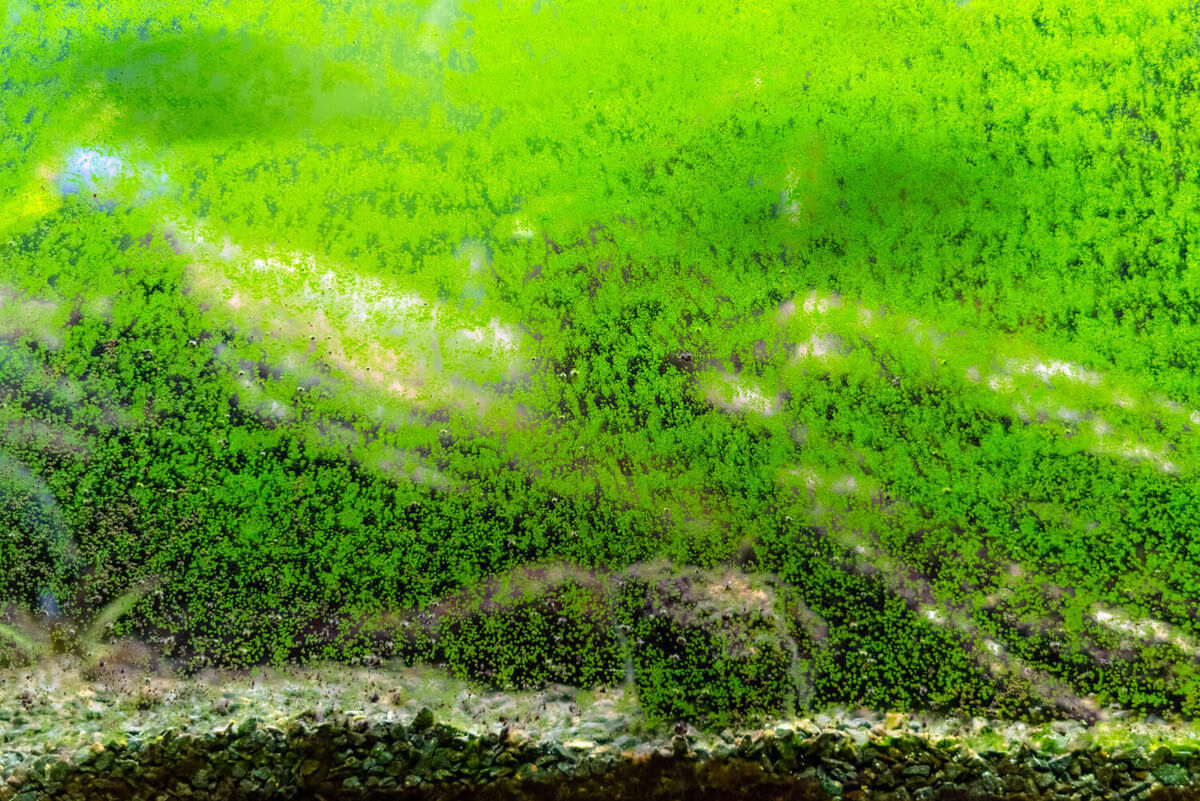
Algae is a broad term referring to simple plant-like organisms that grow in water. They harness light and nutrients just like aquatic plants do, only algae grows much faster. There are several types you're likely to encounter:
- Green algae – the most common and usually the easiest to control
- Brown algae (diatoms) – common in new tanks or low-light environments
- Blue-green algae (cyanobacteria) – actually bacteria, not algae
- Hair algae – stringy, fast-spreading, and persistent
- Black beard algae (BBA) – stubborn and slow-growing, often linked to CO₂ fluctuations
Understanding what you’re dealing with is the first step, but in most cases, the prevention and control strategies are similar because all algae thrive on extra light, nutrients, and organic waste.
Why Algae Takes Over: The Main Causes
Algae growth is always connected to an imbalance in at least one of the following key areas. Fix the imbalance, and the algae problem begins to fix itself.
1. Too Much Light
Beginners often assume more light equals better plant growth. But excessive light - either too strong or left on for too long - feeds algae more than plants.
Common lighting mistakes:
- Running lights for 10–14 hours per day
- Using a light designed for high-tech plant tanks in a low-tech setup
- Allowing natural sunlight to hit the tank
- Keeping lights on bright settings without adjustment
Algae thrives on light, especially when nutrients or CO₂ are unbalanced. Even a few extra hours of light a day can trigger an explosion.
2. Excess Nutrients (Especially Nitrates and Phosphates)
Every tank has some nitrate and phosphate; these come from fish waste, uneaten food, and decaying plant matter. But when they build up beyond what the plants can use, algae makes use of this opportunity.
Sources of excess nutrients include:
- Overstocking fish
- Overfeeding
- Infrequent water changes
- Poor filtration
- Dying plant leaves left in the tank
Even high-quality tanks with live plants will develop algae if nutrient levels rise faster than plants can consume them.
3. High Organic Waste and Dirty Substrates
A dirty substrate or clogged filter traps mulm (organic debris), which gradually releases nutrients back into the water. This becomes a slow, constant fertilizer source for algae.
Typical signs include:
- Brown dust coating surfaces
- Cloudy water or musty smells
- Sudden algae blooms after cleaning disruptions
4. Imbalanced or Unstable CO₂ (Mainly in Planted Tanks)
In low-tech tanks (no CO₂ injection), algae usually responds more to light/nutrients. But in CO₂-injected tanks, fluctuations (even small ones) can trigger BBA and hair algae.
Common causes:
- Inconsistent CO₂ injection or poor diffusion
- Lights turning on before CO₂ reaches proper levels
- Filter changes altering flow patterns
5. A “Young” Tank Still Finding Its Balance
New tanks (less than 3 months old) often experience algae blooms simply because the ecosystem isn’t mature yet. Brown diatoms, in particular, are nearly guaranteed in new setups.
This is normal and usually resolves with:
- Patience
- Regular water changes
- A growing population of beneficial bacteria
How to Prevent Algae Before It Starts
Prevention is much easier than battling severe algae. These habits form the foundation of a clean, healthy aquarium with minimal algae presence.
1. Set the Right Lighting Schedule
Most freshwater aquariums do best with 6–8 hours of light per day.
Tips for proper lighting:
- Use a timer so you never forget.
- If plants seem to struggle, adjust slowly (15 minutes at a time).
- Avoid placing tanks near windows or direct sunlight.
- For beginners, avoid powerful “high-tech” lights unless you have CO₂ injection.
A simple, stable light schedule is the #1 method to prevent algae.
2. Maintain a Consistent Water-Change Routine
Regular water changes remove excess nitrate, phosphate, and dissolved organics before algae can feed on them. You should aim for 25–35% water change every week (or every two weeks at the absolute longest).
During water changes:
- Vacuum the substrate lightly
- Rinse filter media in old tank water, not tap water
- Remove any decaying leaves or debris
Consistency matters more than perfection.
3. Avoid Overfeeding
Overfeeding is another common cause of algae in tanks. As a general rule, only feed what your fish can finish in one or two minutes. Uneaten food quickly decomposes and releases nutrients algae can use.
Signs you’re feeding too much:
- Food floating after 2 minutes
- Snails multiplying rapidly
- Cloudy water
- Spikes in ammonia or nitrate
4. Keep Your Stocking Levels Reasonable
An overcrowded tank creates a constant stream of waste, which leads directly to algae. Less stocking equals a cleaner tank, more stable water, and far less algae.
5. Grow Healthy Live Plants
Live plants directly compete with algae for nutrients. When thriving, they starve algae of what it needs to grow.
Good beginner plants include:
- Java fern
- Anubias
- Amazon sword
- Java moss
- Vallisneria
- Water wisteria
Even a few hardy plants significantly reduces algae risk.
6. Use a Quality Filter and Maintain It Properly
A properly sized filter helps remove waste and keeps water movement stable.
Key points:
- Choose a filter rated for at least 1.5–2× your tank’s volume
- Clean filter media gently every month
- Avoid replacing all filter media at once, as this removes beneficial bacteria
A strong biological filter greatly reduces the nutrients algae feed on.
Proven Methods to Control Existing Algae
If you already have algae, don’t worry. The goal is not to eliminate algae completely (that’s impossible) but to control it to manageable, nearly invisible levels.
Here are reliable, beginner-friendly methods to restore balance.
1. Manual Removal
Simple but effective.
Remove algae by:
- Scraping the glass with an algae scraper
- Pulling off hair algae by hand
- Using an old toothbrush to scrub decorations
Manual removal won’t solve the imbalance, but it helps restore appearance while you address the root cause.
2. Reduce Your Lighting Intensity or Duration
If algae is spreading quickly:
- Reduce lighting duration by 1 hour
- Dim the light slightly if your fixture allows it
Most algae outbreaks calm down within 2–3 weeks of consistent lighting management.
3. Increase Water-Change Frequency Temporarily
During algae outbreaks, do:
- 2–3 water changes per week
- Always match temperature to avoid stressing fish
This helps remove excess nutrients rapidly.
4. Add Fast-Growing Plants
Fast growers are nutrient hogs that starve algae.
Excellent “algae-fighting” plants:
- Hornwort
- Water sprite
- Floating plants (duckweed, frogbit, water lettuce)
These act like natural filters.
5. Introduce Algae-Eating Fish or Invertebrates
Some species can help keep algae in check—but they should never be your primary solution.
Good algae eaters include:
- Otocinclus catfish (gentle and beginner-friendly)
- Amano shrimp (excellent at cleaning surfaces)
- Nerite snails (great for glass and decorations)
- Siamese algae eaters (for larger tanks)
Avoid relying on algae eaters alone; they help but don’t solve underlying issues.
6. Improve Water Flow
Dead spots encourage detritus buildup and cyanobacteria.
Ensure:
- The filter output reaches most of the tank
- There is visible but gentle movement throughout
- You occasionally clean the impeller and tubing
Better flow = less algae-friendly waste settling.
How to Identify Specific Types of Algae and What to Do
Here’s a quick breakdown of common algae types and targeted strategies to address each.
Green Hair Algae
Cause: Too much light, excess nutrients
Fixes:
- Reduce lighting
- Add fast-growing plants
- Improve flow
- Manually remove frequently
- Amano shrimp and SAEs help keep it down
Brown Algae (Diatoms)
Cause: New tank, low light, high silicates
Fixes:
- Be patient—it often disappears on its own
- Increase lighting slightly
- Add snails (especially Nerite snails)
- Keep the glass clean
Black Beard Algae (BBA)
Cause: Inconsistent CO₂ levels or poor flow
Fixes:
- Improve and stabilize CO₂
- Reduce light intensity
- Spot-dose liquid carbon
- Remove heavily infested leaves
Blue-Green Algae (Cyanobacteria)
Cause: Low flow, dirty substrate, high nutrients
Fixes:
- Manual removal
- Strong water changes
- Improve water movement
- Full blackout for 3–4 days
This one can smell unpleasant and spreads quickly—catch it early.
Green Spot Algae
Cause: Long photoperiods or low phosphate
Fixes:
- Increase flow
- Reduce lighting duration
- Ensure phosphate isn’t too low in planted tanks
Final Thoughts: Patience and Balance Win Every Time
Algae isn’t a sign that you’re a bad aquarist - it’s simply part of the learning curve. In fact, almost every aquarium goes through stages of algae growth, especially in the first few months. What matters is recognizing why it's happening and applying small, consistent adjustments.
If you manage your lighting, avoid overfeeding, keep up with water changes, and maintain balance, algae becomes nothing more than a minor, occasional inconvenience.
Remember: a healthy, well-maintained tank will always outcompete algae. And with time, these habits become second nature.

Peter Lane
Here to share the lessons I've learned, the money and time-saving tips, and the little tricks that have made a big difference in fostering a thriving aquatic environment.